Leptin and Weight Management
Leptin
Ever Heard of Leptin?
Ever heard of leptin? It’s a hormone that plays a critical role in regulating your appetite, energy levels, and body weight. 🌟
Leptin is often referred to as the satiety hormone because it signals your brain when you’ve had enough food, helping you feel full after eating. However, when leptin levels are out of balance, they can contribute to increased hunger, overeating, and weight gain. 🤯
Leptin’s Role in Metabolism
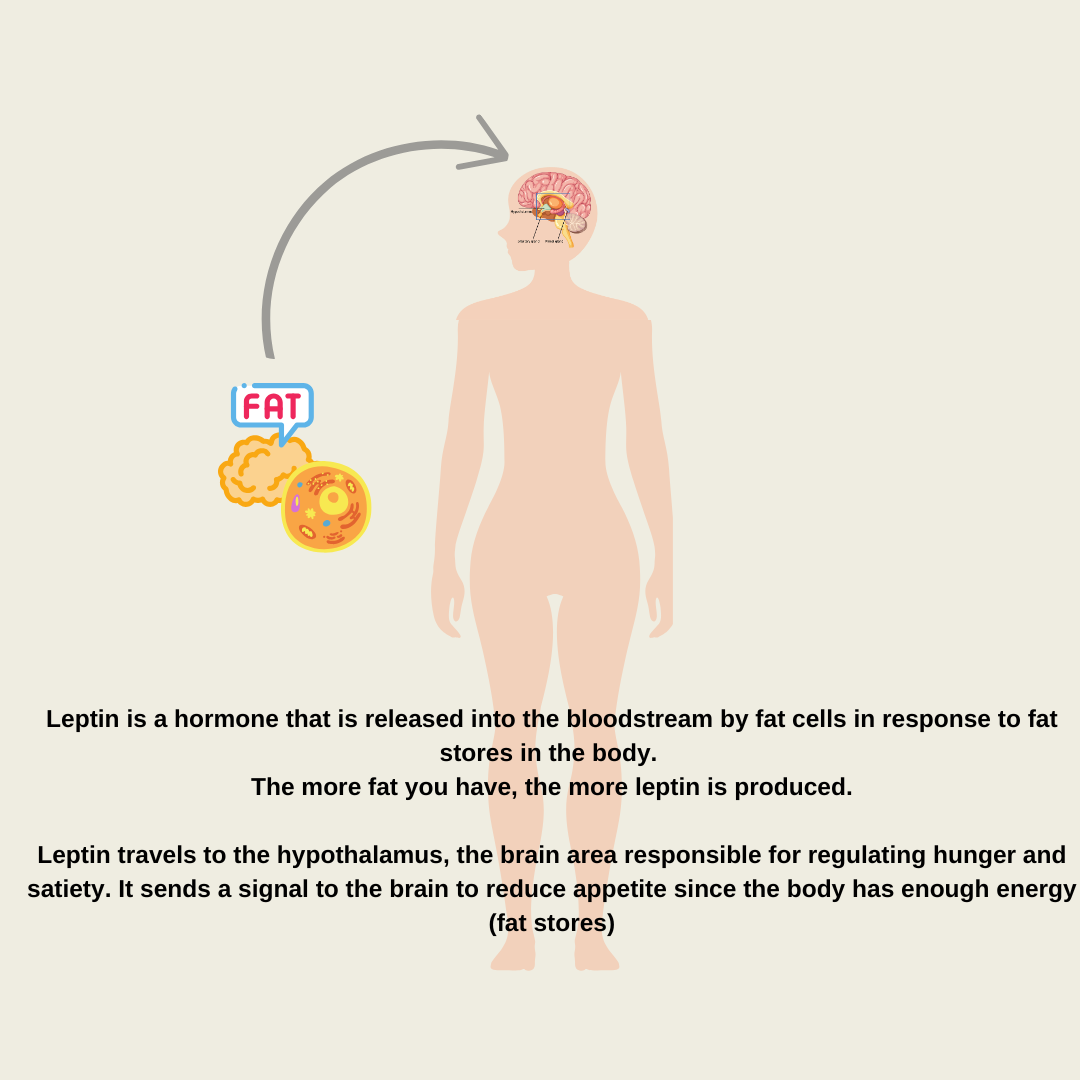
Leptin is produced by fat cells and communicates with the brain — particularly the hypothalamus — to regulate appetite and energy expenditure.
High leptin levels signal that you have sufficient fat stores, which should reduce appetite.
Low leptin levels can trigger hunger and lead to overeating or weight gain.
Basically, leptin is the hormone that should be saving us from excessive energy intake — from overeating. When it’s working properly, leptin helps regulate appetite, energy use, and body weight. In many ways, it may be the key to a properly functioning weight management system.
Why Weight Management Shouldn’t Be So Hard
It’s common sense to think that maintaining a healthy weight shouldn’t be so difficult. We weren’t meant to count calories or track every macro. No other animal in nature does that to stay at its ideal weight. Sure, some animals have metabolic challenges, but most maintain a consistent, stable body composition naturally.
Humans, on the other hand, put enormous effort into measuring, restricting, and managing — yet we remain the species most prone to weight fluctuations and metabolic struggles. So what gives?
Leptin Resistance: When the Body Stops “Listening”
Since leptin is the hormone that helps prevent overeating, a natural first question might be: “Why don’t I produce enough leptin?”
But for most people, that’s not the issue. In many cases, despite having plenty of fat stores, the body becomes resistant to leptin’s signals — a condition known as leptin resistance. This can lead to chronic hunger, overeating, and difficulty losing weight. The real problem is that the brain and cells stop responding to leptin. The signal that should say “you’ve had enough” no longer gets through.
Leptin resistance is often linked to metabolic conditions such as obesity, insulin resistance, and chronic inflammation.
Leptin Resistance and Metabolic Health
Leptin resistance can create a feedback loop that makes managing appetite and energy balance even harder. The body interprets the lack of signal as starvation, increasing hunger and slowing metabolism. Over time, this pattern can contribute to weight gain, fatigue, and metabolic dysfunction — even when calorie intake isn’t excessive.
How to Improve Leptin Sensitivity
Eat a balanced diet: Focus on whole foods, healthy fats, lean proteins, and fiber to support healthy leptin function.
Move regularly: Physical activity improves leptin sensitivity and overall metabolic health.
Manage stress: Chronic stress disrupts hormonal balance and can impair leptin signaling.
Prioritize sleep: Poor sleep alters leptin and ghrelin levels, increasing hunger and cravings.
Restoring Balance
This is one example of why Rebase Wellness aims to take a systems-based approach to well-being — recognizing that hormones like leptin are part of a larger network influencing energy, metabolism, and mindset. Weight gain or difficulty losing weight is not a moral failure or a lack of willpower. It’s a signal that something in the system is out of balance. Sustainable change rarely comes from a single strategy, like calorie restriction; it requires understanding and addressing the interconnected factors that support metabolic health and long-term wellness.